NASA Exploration Programs
From early suborbital jumps to long-duration space stations and upcoming crewed lunar outposts, discover NASA's primary exploration eras.
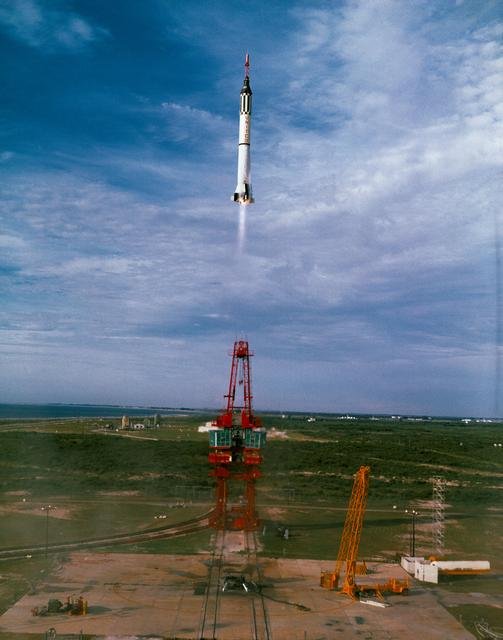
Project Mercury
America's First Human Spaceflight Program
Project Mercury was the first human spaceflight program of the United States, running from 1958 through 1963. Its primary goal was to put a human into Earth orbit, observe their capability to function in space, and recover them safely. Initiated during the height of the Cold War Space Race, the program transitioned NASA from a research aeronautics organization into a space exploration agency. Through six crewed flights, Mercury established the fundamentals of space flight, pilot training, launch operations, and ground control tracking network that paved the way for Gemini and Apollo.
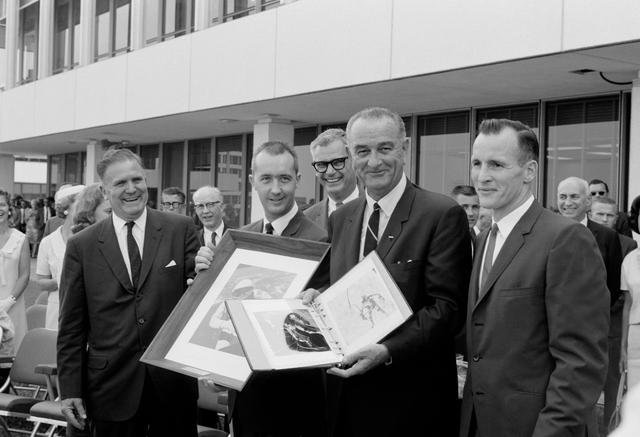
Project Gemini
Bridging the Gap to the Moon
Project Gemini was NASA's second human spaceflight program, conducting ten crewed flights in 1965 and 1966. Gemini's objective was to develop the space travel techniques necessary for Apollo's lunar landing missions. Gemini astronauts perfected orbital maneuvers, rendezvous and docking of two spacecraft, extravehicular activity (EVA) or spacewalks, and proved that pilots could endure weightlessness for up to two weeks. It was during Gemini that NASA achieved parity and eventual superiority in the Space Race, training a critical cohort of astronauts who would command Apollo.
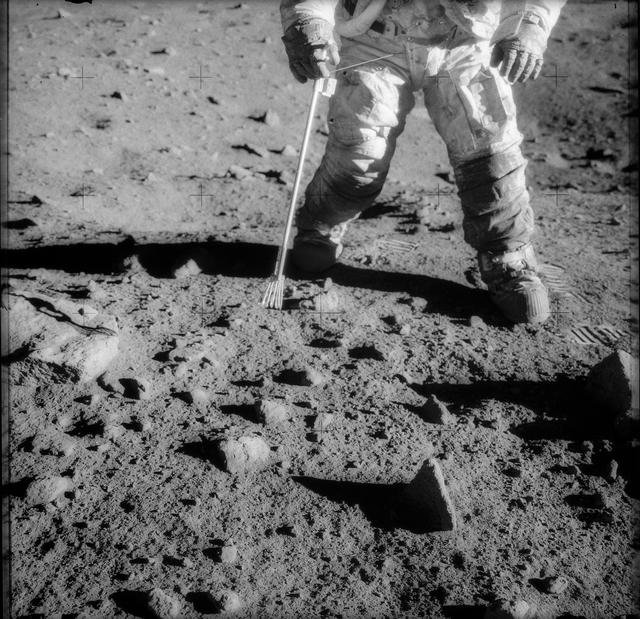
Apollo Program
Landing Humans on the Moon
The Apollo program succeeded in landing the first humans on the Moon. Initiated by President John F. Kennedy in 1961, the program achieved its primary goal in July 1969 when Neil Armstrong and Buzz Aldrin stepped onto the lunar surface during Apollo 11. Apollo conducted six successful lunar landing missions, returning invaluable geological samples and scientific data. It drove unprecedented technological acceleration, establishing the Saturn V rocket as the benchmark of heavy lift vehicles and showing the heights of collaborative engineering.
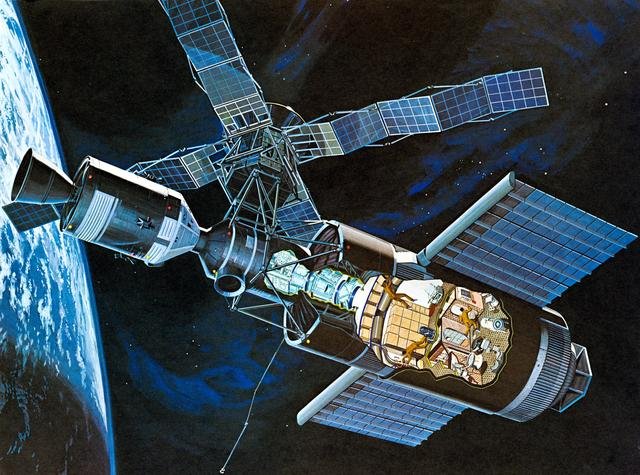
Skylab Program
America's First Space Station
Skylab was the first United States space station, orbited and occupied by three crewed missions in 1973 and 1974. Constructed from a modified Saturn V upper stage, Skylab proved that humans could live and work in space for extended periods. Crews conducted hundreds of experiments in solar physics, Earth observation, materials science, and human physiology. The program proved the vital role of in-space repairs when the first crew saved the damaged station, laying the ground rules for future long-duration orbital outposts.
Space Shuttle Program
The Era of the Reusable Spaceplane
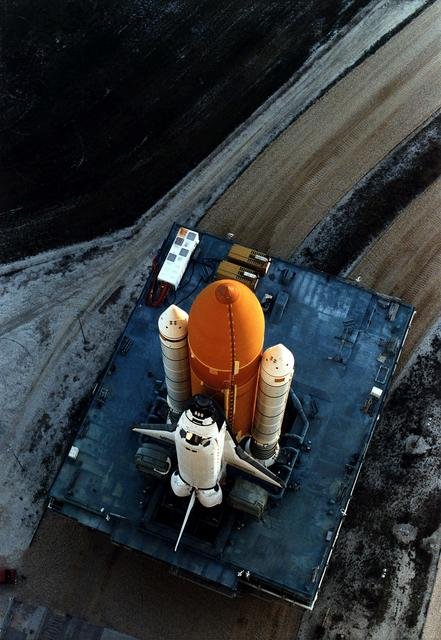
The Space Shuttle program (Space Transportation System, or STS) was NASA's crewed orbital launch system from 1981 to 2011. Utilizing a reusable winged orbiter launched with solid rocket boosters and a liquid fuel tank, the fleet of five orbiters—Columbia, Challenger, Discovery, Atlantis, and Endeavour—flew 135 missions. The Shuttle deployed satellites, carried the Spacelab module, retrieved and repaired spacecraft (such as the Hubble Space Telescope), and was the primary vehicle used to construct the International Space Station.
International Space Station
Continuous Human Presence in Low Earth Orbit
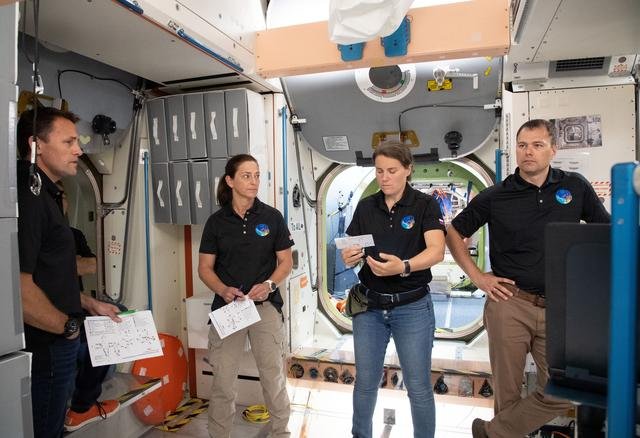
The International Space Station (ISS) is a microgravity research laboratory in low Earth orbit. A collaborative project between NASA, Roscosmos, ESA, JAXA, and CSA, it has been continuously occupied by humans since November 2000. The station serves as a testbed for future exploration systems, crew health management during long-duration flight, and international scientific cooperation, conducting thousands of experiments in biology, physics, astronomy, and meteorology.
Artemis Program
Returning Humans to the Moon and Beyond
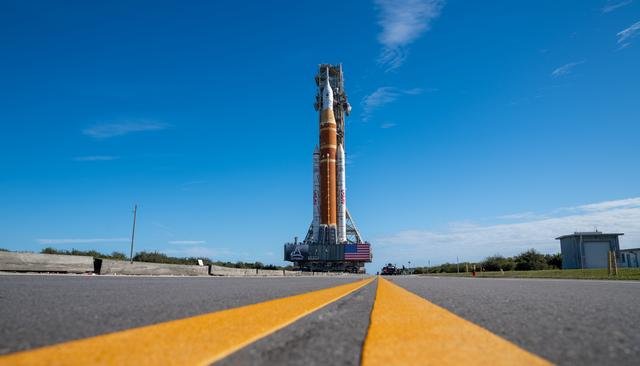
The Artemis program is NASA's ongoing effort to land the first woman and the first person of color on the Moon. Utilizing the Space Launch System (SLS) rocket and the Orion spacecraft, Artemis aims to establish a sustainable, long-term human presence on the lunar surface. Artemis acts as the stepping stone for humanity's next giant leap: sending astronauts to Mars. It leverages international partnerships and commercial landers to establish the Lunar Gateway station and surface infrastructure.
Pioneer Program
Pioneering the Outer Solar System and Solar Wind
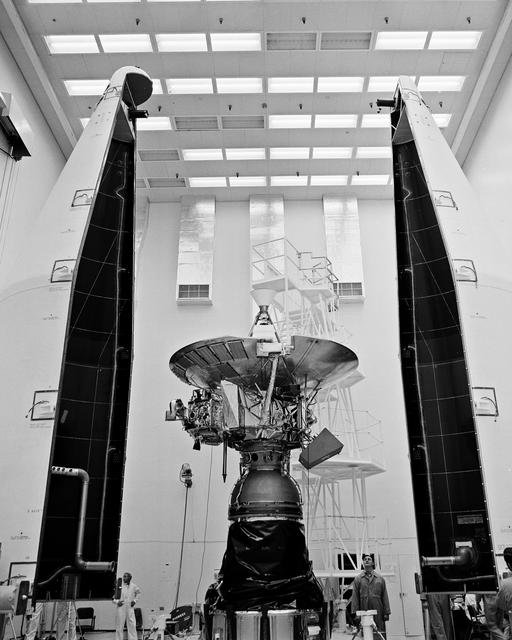
The Pioneer program was a series of United States uncrewed space missions designed for planetary exploration. The most famous of these were Pioneer 10 and Pioneer 11, which became the first spacecraft to visit the outer planets (Jupiter and Saturn) and the first to achieve escape velocity from the solar system, carrying the famous Pioneer plaques.
Viking Program
First Successful Landers on Mars
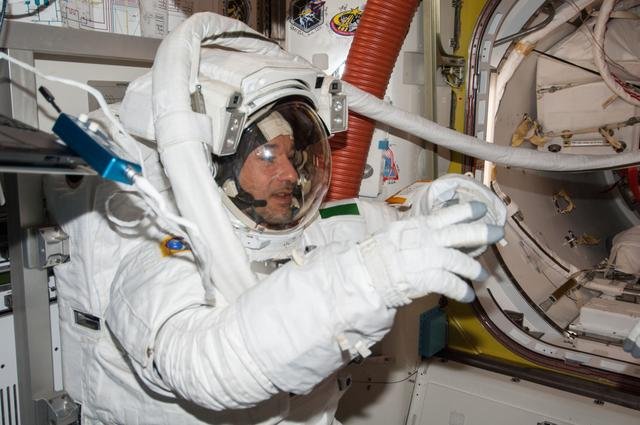
The Viking program consisted of a pair of identical spacecraft, Viking 1 and Viking 2, sent to Mars. Each spacecraft was composed of an orbiter and a lander. The landers successfully set down on the Martian surface, sending back the first color photos, meteorological reports, and conducting biological assays to search for biosignatures in Martian soil.
Voyager Program
The Grand Tour of the Outer Planets
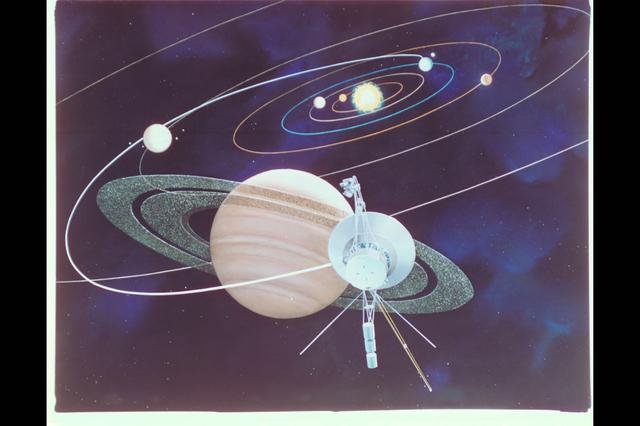
The Voyager program is a continuing American scientific program that employs two robotic probes, Voyager 1 and Voyager 2, to study the outer solar system. Launched during a rare planetary alignment, they conducted a Grand Tour of Jupiter, Saturn, Uranus, and Neptune, and are currently transmitting data from interstellar space.
Mariner Program
Exploring the Inner Planets
The Mariner program was a 10-mission robotic planetary exploration program conducted by NASA. The Mariner spacecraft were designed to visit Venus, Mars, and Mercury, achieving the first planetary flybys, the first planetary orbiter, and proving the viability of gravitational assists.
Landsat Program
Monitoring Earth's Changing Resources
The Landsat program is the longest-running enterprise for acquisition of satellite imagery of Earth. Jointly managed by NASA and the USGS, Landsat satellites have collected spectral data of Earth's land surfaces, showing decades of agricultural, urban, forestry, and environmental changes.
Explorer Program
Unveiling the Physics of the Cosmos
The Explorer program is the oldest running series of scientific spacecraft. Starting with Explorer 1, which discovered the Van Allen radiation belts, the program has deployed over 200 satellites and probes to measure radiation, cosmic dust, magnetic fields, and solar emissions.
Robotic Observatories & Rovers
Scientific Eyes on the Universe
Uncrewed scientific observatories and mobile landers represent NASA's vanguard across the solar system and deep space. From the Hubble and James Webb Space Telescopes peering into the cosmic dawn, to Mars rovers searching for past water and chemical signatures of habitability.