Mercury-Atlas 4
Vehicle: Atlas D | Launch Site: Cape Canaveral, LC-5 (Redstone) / LC-14 (Atlas)
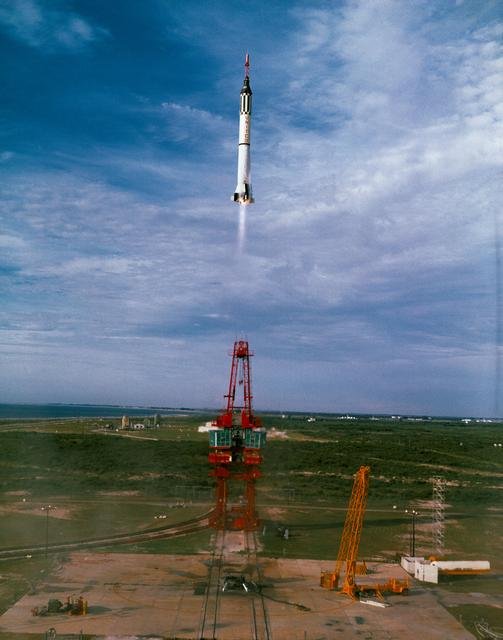
Mission Overview
Mercury-Atlas 4 was a critical step in America's path to the stars. Successful uncrewed orbital flight test completing one orbit and verifying the tracking network. The mission demonstrated the engineering capability of the Mercury capsule, designed by McDonnell Aircraft, and built critical experience in tracking, ground control, and capsule recovery in the Atlantic Ocean. This flight contributed to the data required to validate launch vehicle performance and human survivability in extreme environments.
Payload & Instruments
Mission Purpose
Technology demonstration and environmental monitoring
Scientific Instrumentation
- Atmospheric pressure sensors: Specialized telemetry sensor array.
- Vibration recorders: Specialized telemetry sensor array.
- Telemetry transmitter systems: Specialized telemetry sensor array.
Scientific Discoveries
Validated spaceflight capsule structural integrity and communications tracking network.
Multimedia Gallery
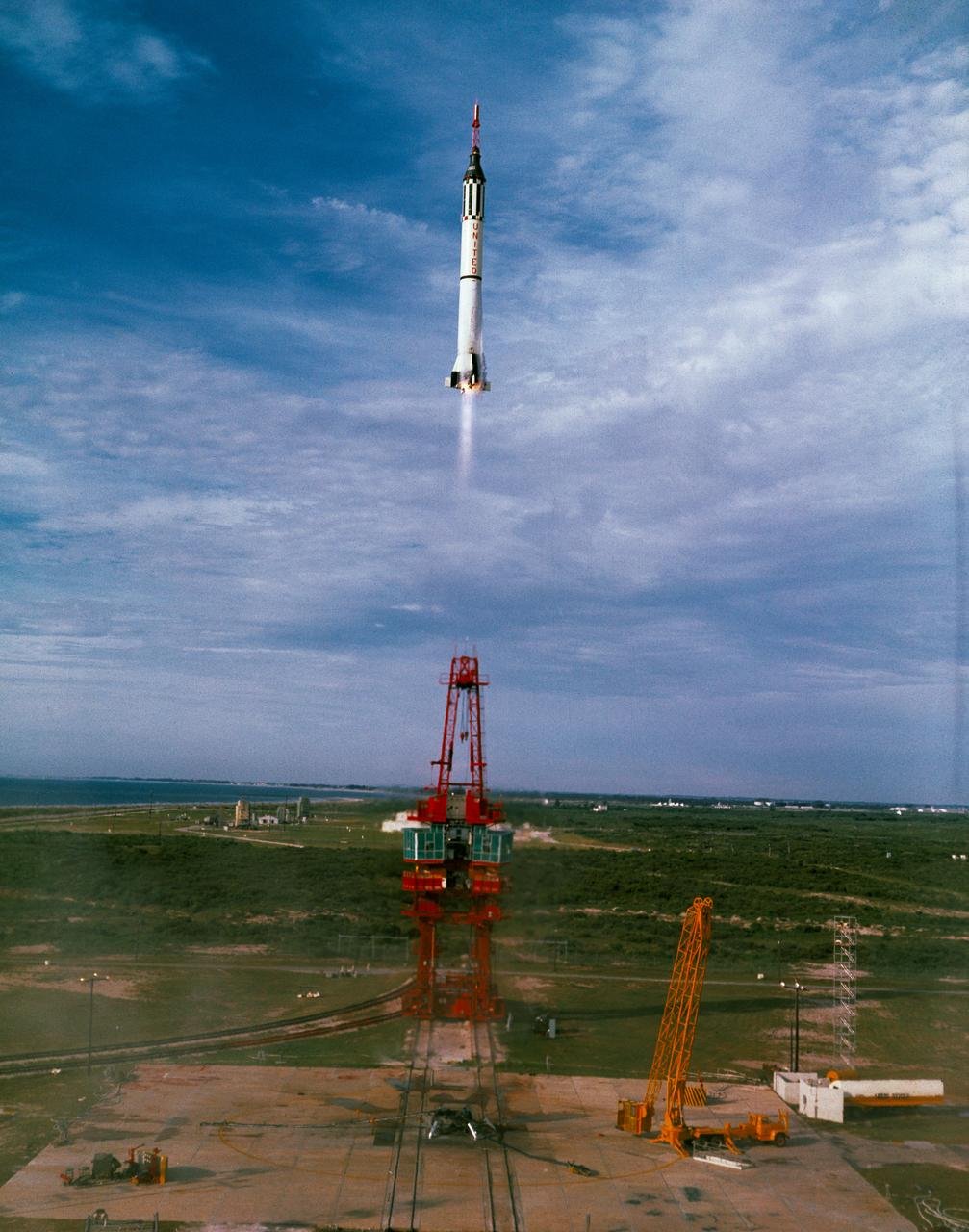
Official NASA historical record photography for Mercury-Atlas 4.