Apollo 5
Vehicle: Saturn IB | Launch Site: Kennedy Space Center, LC-39A
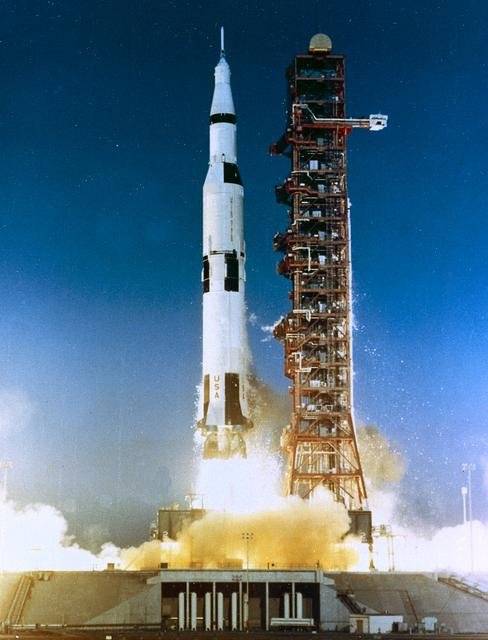
Mission Overview
The Apollo 5 mission was a critical part of NASA's lunar exploration push. Uncrewed test flight of the Lunar Module (LM) in Earth orbit, verifying the ascent and descent engines. The engineering advances made in guidance systems, thermal protection, computing, and structural engineering defined a generation of technology. The data returning from this mission shaped planetary geology, astronomy, and solar physics, cementing its position in human technological history.
Payload & Instruments
Mission Purpose
Uncrewed test validation of lunar equipment
Scientific Instrumentation
- Seismometers: Specialized telemetry sensor array.
- Laser reflectors: Specialized telemetry sensor array.
- Spectrometers: Specialized telemetry sensor array.
Scientific Discoveries
Demonstrated that complex hardware could survive intense aerodynamic and thermal launch forces.
Multimedia Gallery
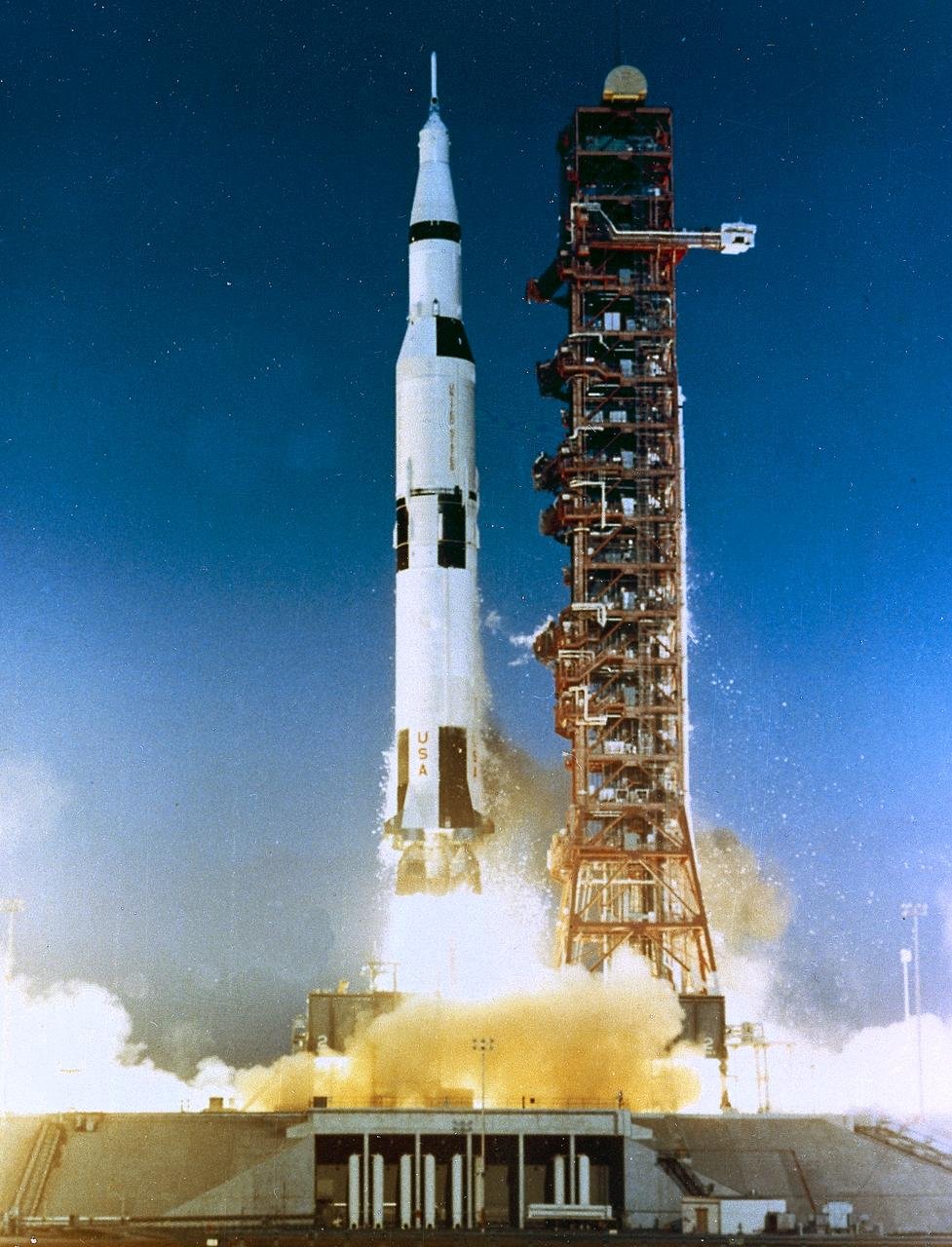
Official NASA historical record photography for Apollo 5.